The Thrill of Uncertainty
One of the primary psychological draws of casino gambling is the thrill of uncertainty. Players are often attracted to the unpredictable nature of games like slot machines and poker, where the outcome is never guaranteed. This unpredictability taps into the human psyche, stimulating excitement and anticipation. The possibility of winning big creates an adrenaline rush, which can be highly addictive. For those interested in the gaming landscape, many turn to real online casinos canada, where they can experience this thrill from home. The tension between hope and despair keeps players engaged, as they often think, “What if I win this time?”
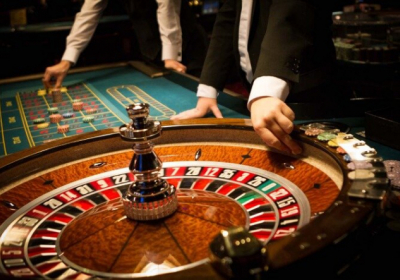
This rollercoaster of emotions not only keeps people playing but also leads to repeated visits. As players experience wins, their brains release dopamine, reinforcing the behavior and making them want to return for more. Therefore, the allure of uncertainty becomes a powerful motivator that drives players back to the casino, hoping to replicate the thrill of their last big win.
Social Interaction and Community
Certain types of gambling provide a unique social environment that appeals to many players. Whether it’s the camaraderie at a poker table or the shared excitement at a roulette wheel, casinos are vibrant social spaces. The interaction with other players and casino staff fosters a sense of community. Players often return not just for the games, but for the connections they form, making gambling a social activity rather than a solitary one.
This social aspect can significantly enhance the overall experience of gambling. Engaging with others creates bonds and shared memories, which can amplify the enjoyment of the activity. As players build relationships, they may find themselves more inclined to visit casinos, knowing that their friends and a sense of belonging await them.
The Seduction of Gamification
Modern casinos have effectively incorporated elements of gamification, which can significantly heighten the appeal of gambling. With the use of player loyalty programs, rewards, and competitive elements, casinos motivate individuals to keep coming back. Players are often enticed by the prospect of accumulating points that can be redeemed for various perks, enhancing their gambling experience.
These gamified elements take advantage of psychological principles, such as the desire for achievement and recognition. As players strive to reach higher tiers or unlock benefits, they may become more invested in their casino experience, leading to increased frequency of visits, as they chase the next reward or milestone.
The Illusion of Control
One fascinating psychological phenomenon in gambling is the illusion of control. Many players believe they can influence the outcome of games through strategy, betting patterns, or sheer luck. This belief, while often misplaced, gives players a sense of agency that fuels their desire to gamble. It is not uncommon for individuals to convince themselves that their decisions can sway the odds in their favor.
This illusion can be particularly compelling in games where skill is involved, such as poker or blackjack. Players may feel more empowered and compelled to return, convinced that with each attempt, they can outwit the house. The psychological comfort of feeling in control, even when the reality is different, sustains their engagement with gambling.
Discovering More About Gambling Psychology
For those looking to delve deeper into the psychology behind casino gambling, this website serves as a valuable resource. Offering insights, articles, and information tailored to understanding the complexities of gambling behavior, it caters to both enthusiasts and those curious about the underlying motivations. The engagement provided here aims to help readers navigate their interests and questions related to gambling psychology.
Whether you’re seeking to comprehend your own gambling habits or simply want to learn more about the dynamics at play within casinos, this platform provides comprehensive content designed to enhance your understanding and appreciation of the psychological factors driving gambling behaviors.